Transforming Industries with Document Processing

Every organisation, in every industry, has a use case for IDP (Intelligent Document Processing). In today’s fast-changing digital world, organisations need to make decisions based on data. They also need to work more efficiently. As a result, demand for IDP solutions has grown strongly. IDP uses artificial intelligence (AI) to automate the intake, understanding, and management of structured and unstructured data. It turns traditional document workflows into streamlined and efficient processes. This transformation is not just a technological advancement but a necessary evolution for organizations striving to maintain competitiveness in an increasingly digital world.
The paradigm shift towards automated document processing transcends industry boundaries, making IDP indispensable across myriad sectors. This comprehensive discourse elucidates the multifaceted applications of IDP, exemplified by claims processing, document verification, and application automation. Each application highlights the transformative potential of IDP in enhancing accuracy, reducing processing times, and augmenting operational efficiency.
The Imperative of Intelligent Document Processing
IDP combines advanced AI tools, such as machine learning (ML), natural language processing (NLP), and optical character recognition (OCR). It helps extract and analyse data from many document formats. The resultant automation of manual, labor-intensive processes engenders enhanced accuracy, reduced processing times, and augmented operational efficiency.
In practice, IDP capabilities are frequently delivered as part of broader integration and automation platforms—so that extracted data can be validated, routed, orchestrated, and embedded into end-to-end business processes. For example, MuleSoft Intelligent Document Processing positions IDP as a way to convert document-heavy workflows into actionable, structured data that can be used across APIs, integrations, and automation. MuleSoft has also introduced MuleSoft for Flow: Intelligent Document Processing, extending IDP into flow-based automation experiences for building document-driven workflows with reduced manual effort.
A common pattern in customer service, operations, and finance is to parse documents via IDP and then automatically write the extracted fields into CRM and ERP systems. In Salesforce-centric environments, this can mean taking an inbound PDF, scan, email attachment, or uploaded image, extracting key fields, and mapping them directly into Salesforce records such as:
- Cases (for inbound service requests and claim intake)
- Applications (for onboarding, enrollment, or lending workflows)
- Invoices (for accounts payable automation and exception handling)
- Purchase orders (for procurement workflows and supplier reconciliation)
When IDP is connected to downstream workflow automation, the same extraction step can also drive record enrichment (for example, auto-filling missing account or contact details), routing (sending items to the right queue), and exception management (creating tasks or escalations when validation fails or confidence scores fall below threshold).
The Role of Machine Learning in IDP
Machine learning is pivotal in powering IDP solutions. It enables systems to learn from data patterns and improve their functionality over time. By analysing past data and user actions, ML algorithms can predict and fix errors. This leads to more accurate data extraction. This flexible learning feature helps IDP systems stay relevant and effective, adapting to new document and data types.
Leveraging Natural Language Processing for Contextual Understanding
NLP helps IDP systems understand and interpret human language in context. This is crucial for extracting meaningful insights from unstructured data. This technology is particularly beneficial in sectors like legal and finance, where documents often contain complex terminologies. By comprehending the nuances of language, NLP enhances the accuracy of data interpretation, ensuring that extracted information is relevant and actionable.
Optical Character Recognition: Bridging the Gap Between Physical and Digital
OCR technology is the cornerstone of IDP, enabling the conversion of scanned documents and images into machine-readable text. This capability is invaluable in industries such as logistics and healthcare, where paper-based documentation is still prevalent. By digitizing physical documents, OCR facilitates seamless data integration into digital workflows, thereby improving accessibility and efficiency.
The Economic Impact of IDP Implementation
The implementation of IDP solutions can have a significant economic impact on organizations. By reducing the reliance on manual data entry and minimizing errors, companies can achieve substantial cost savings. Furthermore, the accelerated processing times translate to faster service delivery, enhancing customer satisfaction and potentially increasing revenue streams.
Claims Processing: Revolutionizing the Insurance Sector
In the insurance domain, the claims processing lifecycle is traditionally fraught with inefficiencies, attributable to the voluminous paperwork and manual data entry required. IDP offers a panacea by automating the extraction of pertinent information from claims documents, thereby expediting the adjudication process.
Streamlining Data Extraction in Insurance Claims
Consider an insurance firm inundated with thousands of claims daily. IDP systems can automatically pull out data from documents. They can read both digital and handwritten documents. For example, they can extract policy numbers, claimant details, and loss descriptions. This automation speeds up processing and reduces human error. It improves customer satisfaction and lowers operational costs.

Enhancing Accuracy and Reducing Errors
Manual data entry in claims processing can cause errors. These errors may lead to costly delays and unhappy customers. By automating this process, IDP ensures that data is extracted accurately and consistently, reducing the likelihood of errors. This not only improves the efficiency of claims processing but also enhances the overall reliability of the insurance provider.
Improving Customer Satisfaction Through Faster Processing
In the competitive insurance industry, customer satisfaction is paramount. IDP allows insurance companies to process claims more quickly, reducing the time customers spend waiting for resolutions. This rapid processing enhances customer experience, fostering loyalty and trust in the insurance provider.
Cost Reduction and Efficiency Gains
Automating claims processing with IDP can lead to significant cost reductions. By reducing manual work, insurance companies can use resources better. They can focus on higher-value tasks like customer service and strategic planning. This efficiency gain can result in improved profitability and a stronger competitive position in the market.
Document Verification and Processing: Enhancing Compliance and Accuracy
Document verification is a critical operation across multiple sectors, including finance, healthcare, and legal services, where compliance with regulatory frameworks is paramount. IDP systems facilitate the automated verification of documents by cross-referencing extracted data against established databases and criteria.
Automating the Verification Process for Increased Efficiency
For example, in the financial sector, IDP can speed up the Know Your Customer (KYC) process. It checks ID documents are genuine and pulls out key data. By automating these procedures, financial institutions can enhance compliance, mitigate fraud risks, and expedite customer onboarding.
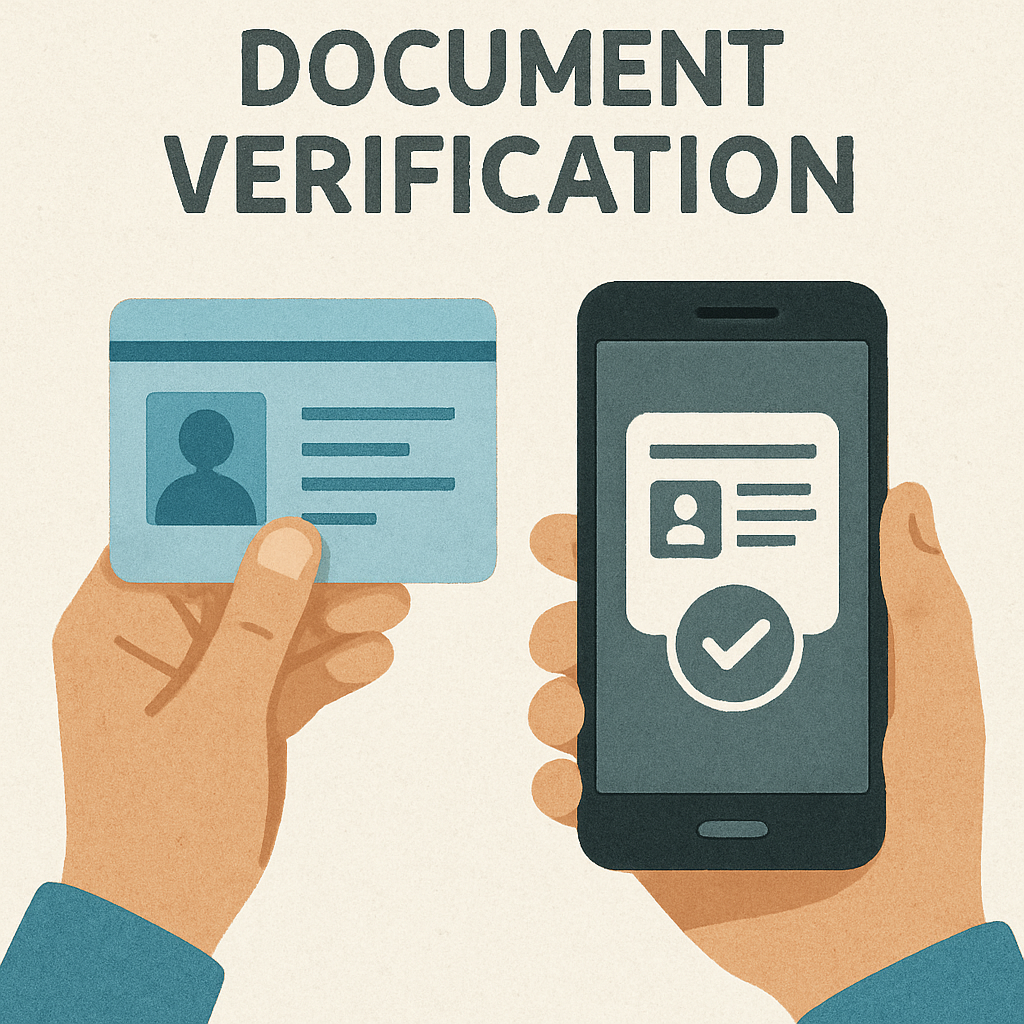
Fraud prevention is a major concern for industries that handle sensitive information. IDP systems can cross-reference data extracted from documents with trusted databases, identifying discrepancies and potential fraud attempts. This automated verification not only enhances security but also ensures compliance with regulatory standards.
Enhancing Compliance with Regulatory Standards
Compliance with regulatory standards is a non-negotiable requirement in sectors like finance and healthcare. IDP systems ensure that all extracted data is accurate and verifiable, reducing the risk of non-compliance penalties. By maintaining rigorous data standards, organizations can uphold their reputations and avoid costly legal challenges.
Expediting Customer Onboarding Processes
The onboarding process is a critical touchpoint in customer interactions. By automating document verification, IDP can significantly speed up the onboarding process, allowing customers to access services more quickly. This efficiency is particularly beneficial in competitive industries, where quick and seamless onboarding can provide a distinct advantage.
Application Automation: Streamlining Operations in Various Industries
Application automation, powered by IDP, is transformative across sectors like education, human resources, and government services. These sectors often process large numbers of applications and forms. By automating data extraction and entry, IDP systems alleviate the administrative burden and enhance operational efficiency.
Automating Data Entry in Higher Education Admissions
In higher education, universities handle student applications. This often involves manual data entry from transcripts, recommendation letters, and personal statements. IDP solutions can automate this process. They extract and standardise data from many document types. This streamlines admissions and lets staff focus on more strategic work.
Enhancing HR Processes with Application Automation
Human resources departments handle a myriad of applications, from job applications to employee records updates. IDP can automate extracting and processing information from these documents. This reduces admin workload and lets HR staff focus on talent management and employee engagement.
Streamlining Government Services with Automation
Government agencies process vast amounts of paperwork, from permit applications to tax forms. IDP can automate these processes, reducing the time and resources required for document handling. This automation not only enhances efficiency but also improves service delivery to citizens, fostering trust and satisfaction.
Reducing Administrative Burden Across Industries
The administrative burden of manual document processing can impede productivity and innovation. By automating these tasks, IDP saves time and resources. This allows organisations to focus on core work and strategic initiatives. This shift from manual to automated processes can drive innovation and enhance competitiveness in a rapidly changing landscape.
The Technological Backbone of IDP
The efficacy of IDP solutions is undergirded by sophisticated AI technologies. OCR technology facilitates the conversion of scanned documents and images into machine-readable text, while NLP algorithms enable the contextual understanding of textual content. ML models, trained on vast datasets, continuously refine their accuracy in data extraction and interpretation.
Optical Character Recognition: Digitizing Physical Documents
OCR is a cornerstone of IDP, rendering it possible to digitize physical documents and extract text with high precision. This capability is particularly advantageous in industries such as logistics and healthcare, where paper-based documentation remains prevalent.
Enhancing Text Extraction Accuracy with OCR
The accuracy of OCR technology has improved a lot with AI advances. It can now extract text from many document types. This accuracy is crucial for maintaining data integrity and ensuring that digital workflows are built on reliable information.
Overcoming Challenges in OCR Implementation
While OCR offers substantial benefits, its implementation can pose challenges, particularly with low-quality scans or handwritten documents. Continuous advancements in AI are addressing these challenges, improving OCR's ability to handle diverse document formats and conditions.
Natural Language Processing: Contextual Analysis and Interpretation
NLP algorithms help IDP systems understand the nuances of human language. They enable the extraction of meaningful insights from unstructured text. This capability is critical in sectors like legal and finance. These documents often contain complex terms and context-specific information.
Extracting Insights from Complex Texts with NLP
NLP enables the extraction of nuanced insights from complex texts, which is essential for industries dealing with intricate documents. By understanding context and terminology, NLP ensures that extracted data is both accurate and relevant.
Addressing Language Variability in Document Processing
Documents often contain language variations and context-specific terms. NLP algorithms address this variability by learning and adapting to new language patterns, ensuring consistent and reliable data extraction across diverse document types.
Machine Learning: Continuous Improvement and Accuracy
ML models underpin the adaptive learning capabilities of IDP systems, enabling continuous improvement in data extraction and interpretation. By analyzing historical data and user feedback, these models refine their algorithms to enhance accuracy over time.
Leveraging Historical Data for Improved Accuracy
By analyzing historical data, ML algorithms can identify patterns and improve their accuracy in data extraction. This continuous learning process ensures that IDP systems remain effective and responsive to changing document types and data requirements.
User Feedback as a Catalyst for ML Enhancement
User feedback plays a crucial role in refining ML models. By using user feedback, IDP systems can adapt to real-world challenges. This improves performance and helps extracted data meet organisational needs.
Ensuring Scalability and Adaptability with ML
As organizations grow and document types evolve, scalability and adaptability are essential for IDP systems. ML models help systems handle more data and new document formats. They keep systems efficient and effective in changing environments.
Conclusion: The Ubiquity and Future of IDP
The omnipresence of documents in organizational processes underscores the universal applicability of IDP across industries. By automating document-centric workflows, IDP not only enhances operational efficiency but also fosters innovation and competitive advantage.
As AI technologies evolve, IDP applications will grow and support new digital transformation models. Organisations that embrace IDP will be well placed to handle the digital age's complexity. This will help drive sustainable growth and success.
Embracing IDP for Sustainable Growth
Organizations that integrate IDP into their operations can achieve sustainable growth by enhancing efficiency and reducing costs. This strategic use of technology helps them succeed in a competitive market, using the benefits of digital transformation.
Driving Innovation Through Document Automation
IDP not only streamlines existing processes but also opens avenues for innovation. By freeing resources and using data to guide decisions, organisations can explore new business models and opportunities. This helps build a culture of innovation and growth.
Navigating the Digital Age with IDP
As the digital age progresses, the ability to adapt and innovate becomes crucial for organizational success. IDP provides the tools necessary to navigate this landscape, offering a competitive edge through enhanced operational efficiency and strategic agility.
In conclusion, adding IDP is a key step in the future of work. It brings automation and intelligence together. This helps reshape organisational processes and unlock new value. Read more about Intelligent Document Processing use cases or reach out the the team and we'd be happy to talk.